Skip to content


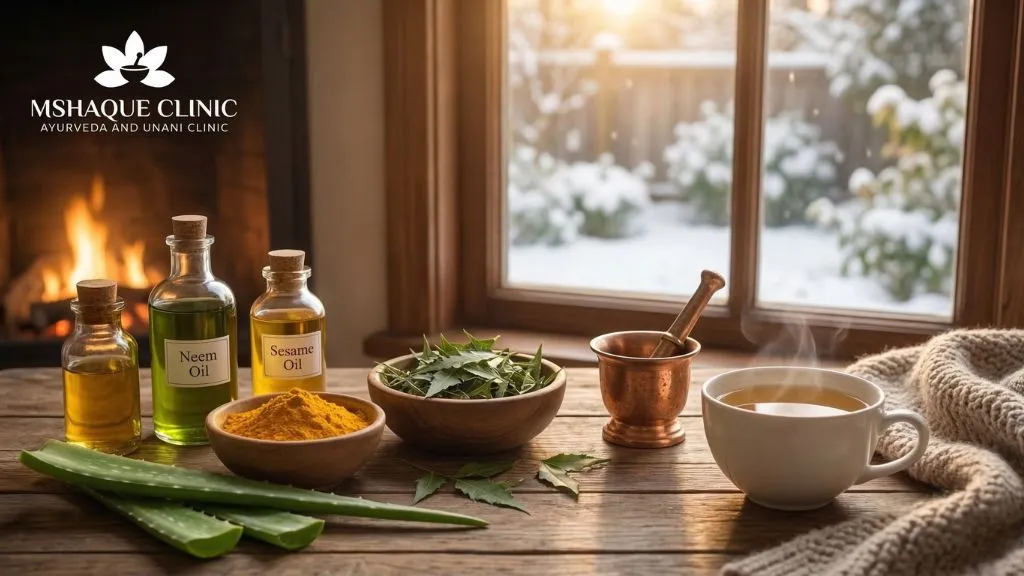
Winter brings cozy mornings, warm beverages, and a festive atmosphere. However, for people suffering from psoriasis and eczema, the colder months can also mean increased skin discomfort. Dry air, low humidity, and indoor heating strip the skin of its natural moisture, often triggering flare-ups, itching, redness, and irritation. While modern medicine provides various treatments, Ayurveda offers time-tested natural remedies that focus on balancing the body from within while soothing the skin externally.
By adopting Ayurvedic practices during winter, individuals can effectively manage symptoms and maintain healthier skin. For those seeking expert guidance, consulting the best Ayurvedic doctor in Kolkata can help ensure personalized treatments and holistic care for chronic skin conditions. So, how exactly can Ayurvedic remedies help protect and nourish sensitive skin during the harsh winter months? Here’s a closer look at some powerful Ayurvedic approaches that can naturally soothe psoriasis and eczema while restoring the skin’s balance and strength.
Understanding Psoriasis and Eczema in Ayurveda
In Ayurveda, skin health has an intense connection to the balance of the three doshas of the human body, Vata, Pitta, and Kapha. Therefore, Psoriasis and eczema are nothing but the outcomes of an imbalance of Vata and Pitta doshas.
- Psoriasis can occur due to excessive dryness, scaling, and inflammation caused by aggravated Vata and Pitta.
- Eczema, on the other hand, is the result of hypersensitivity, itching, redness, and inflammation due to disturbed Pitta and Kapha.
Winter naturally increases Vata dosha, which can cause dryness and roughness of the skin. Therefore, Ayurvedic winter skincare focuses on nourishing, hydrating, and calming the skin while restoring internal balance.
Why Winter Aggravates Skin Disorders
Several environmental and lifestyle factors worsen psoriasis and eczema during winter:
- Low humidity can decrease skin moisture, leading to dryness and cracking.
- Indoor heating systems remove natural oils from the skin.
- Hot showers strip away protective skin layers.
- Reduced hydration and seasonal dietary changes may affect internal balance and skin health.
Ayurveda addresses these factors through herbal oils, natural pastes, hydrating diets, and lifestyle modifications to prevent frequent flare-ups.
5 Most Effective Ayurvedic Remedies for Winter Skin Care
Let’s explore five highly effective Ayurvedic remedies that can support healthy skin throughout the cold winter months.
Therapeutic Oil Massage (Abhyanga)
One of the most effective Ayurvedic remedies for psoriasis is Abhyanga, or daily warm oil massage. Massaging herbal oils such as neem, coconut, or sesame into the skin improves circulation, nourishes the skin, and strengthens its natural barrier. Neem oil is particularly effective due to its antibacterial and anti-inflammatory properties, which help reduce psoriasis plaques and eczema irritation. Coconut oil can provide deep hydration and soothe persistent itching, while sesame oil, rich in antioxidants, nourishes dry winter skin and prevents further dryness. Remember, regular oil massages not only soothe the skin but also help regulate internal doshas.
Aloe Vera for Cooling and Healing
Aloe vera is another very prominent cornerstone of Ayurvedic skin care. Its cooling, healing properties make it ideal for inflamed and sensitive skin. Applying fresh aloe vera gel to affected areas can reduce redness, calm itching, and accelerate skin repair. It also provides natural hydration to dry, flaky patches and alleviates burning sensations commonly experienced during winter flare-ups. Using aloe vera daily can also help maintain a healthy, balanced skin texture.
Turmeric for Anti-Inflammatory Support
Turmeric, revered in Ayurveda for its anti-inflammatory and antibacterial properties, is highly beneficial for managing skin inflammation. Topical application of turmeric paste can reduce redness and itching while promoting faster healing of psoriasis and eczema-affected areas. Internally, consuming turmeric in warm milk or as part of a honey-based mask can support immune regulation, which plays a key role in controlling autoimmune flare-ups like psoriasis.
Neem for Detoxification and Protection
Do you know that Neem is one of the most powerful Ayurvedic herbs for skin disorders? Known for its detoxifying and antibacterial properties, neem purifies the blood, reduces inflammation, and protects against infections that can aggravate eczema or psoriasis. Therefore, regular use of neem oil, neem leaf baths, or neem-based supplements (under professional guidance) can help maintain skin health and prevent flare-ups during the dry winter months.
Ayurvedic Diet for Skin Health
Ayurveda also emphasizes dietary support to maintain skin health. A winter diet for sensitive skin should focus on warm, nourishing foods such as soups, stews, and herbal teas. Thus, moderate amounts of ghee can help nourish dry skin from within, while foods rich in omega-3 fatty acids, like flaxseeds and walnuts, can help reduce inflammation. Always try to limit spicy, fried, and processed foods as they may aggravate Pitta dosha. Adequate hydration with warm water or herbal infusions is essential to support detoxification and overall skin wellness.
Herbal Baths for Soothing Relief
In Ayurveda, herbal baths are more than just cleansing rituals. They are therapeutic experiences that nurture both the skin and the senses. Therefore, adding natural ingredients like oatmeal, neem leaves, and rose petals to lukewarm bathwater can transform an ordinary bath into a soothing remedy for irritated winter skin. Oatmeal gently relieves dryness and itching; neem acts as a natural antibacterial shield that helps prevent infections; and rose petals calm inflammation and provide a refreshing, cooling effect. This simple yet powerful ritual deeply hydrates the skin, reduces flare-ups, and leaves it feeling soft, balanced, and rejuvenated even during the harsh winter months.
Common Lifestyle Practices to Protect Winter Skin
In Ayurveda, daily lifestyle habits play a crucial role in maintaining healthy skin, especially during winter when dryness and sensitivity tend to increase. Therefore, simple routine practices can help preserve the skin’s natural moisture barrier, reduce irritation, and support the body’s natural healing process. By following mindful skin care habits and maintaining balance in daily life, individuals dealing with psoriasis and eczema can significantly minimize flare-ups and improve overall skin comfort. Here is the list of some important Ayurvedic lifestyle practices:
- Use lukewarm water for bathing to prevent stripping natural oils.
- Apply natural oils immediately after bathing to lock in moisture.
- Wear soft cotton clothing to avoid friction and irritation.
- Manage stress through yoga, meditation, or breathing exercises, as stress worsens flare-ups.
- Maintain consistent sleep patterns to support skin regeneration.
When practiced consistently, these habits can complement Ayurvedic remedies and help strengthen the body’s natural ability to repair, protect, and maintain healthier skin throughout the winter season.
FAQs
Yes, Ayurveda focuses on balancing the body’s doshas using herbal remedies, therapeutic oils, diet, and lifestyle changes, which can help reduce inflammation, itching, and flare-ups associated with psoriasis and eczema.
Cold weather, low humidity, and indoor heating dry out the skin, weakening its natural barrier and triggering symptoms like itching, redness, and scaling in people with sensitive skin conditions.
Herbs such as neem, turmeric, aloe vera, and coconut oil are commonly used in Ayurveda because they help soothe inflammation, fight bacteria, and deeply moisturize the skin.
Regular oil massage (Abhyanga), herbal baths, a warm nourishing diet, proper hydration, and stress management through yoga or meditation can help maintain healthy skin during winter.
The Closing Thoughts
Winter can be particularly challenging for individuals dealing with psoriasis and eczema, as cold weather often intensifies dryness, irritation, and flare-ups. However, Ayurvedic remedies offer a gentle and holistic approach to managing these conditions by focusing on internal balance and natural skin nourishment. With the right combination of herbal treatments, a balanced diet, and mindful lifestyle habits, it is possible to protect and soothe your skin even during harsh winters. So, if you are looking for expert Ayurvedic care for chronic skin concerns, consult the best Ayurvedic doctors in Kolkata, Dr. M.S.Haque (Founder & Chief Consultant) and Dr. A. Perwaiz (CMO- Chief Medical Officer, Internationally Acclaimed). Visit MSHAQUE CLINIC today and take a natural step toward healthier, calmer skin.