Skip to content



Hair fall in men is one of the most common concerns raised in clinics across India, and it affects everyone from college-going young men to working professionals in their 40s and 50s. Whether it shows up as a few extra strands on the pillow, a widening parting, or a visibly receding hairline, hair fall in men can feel confusing and, at times, distressing. This article walks through what causes hair fall in men, how to recognise the early signs, and what a holistic, personalised approach to care can look like.
What is Hair Fall in Men?
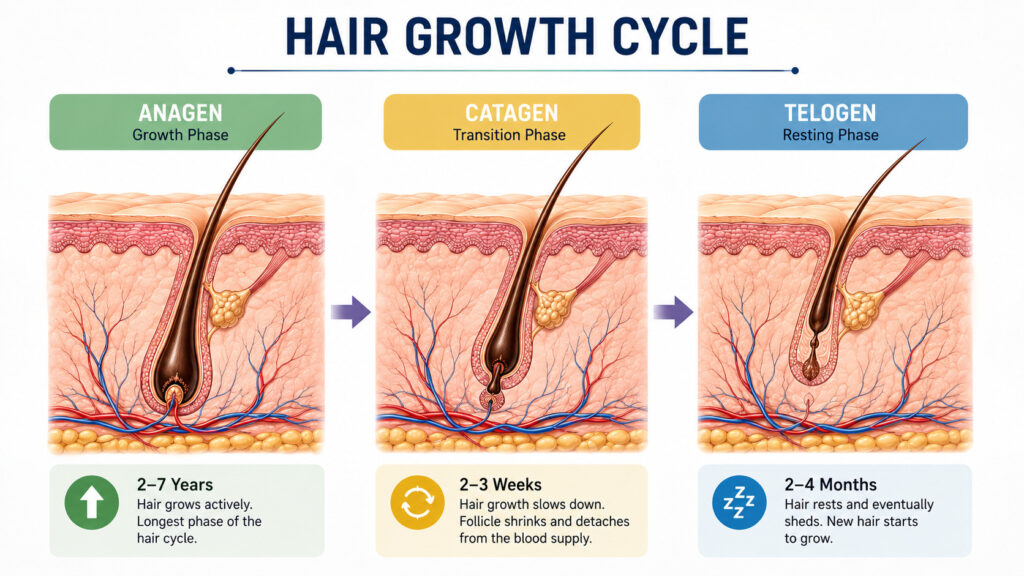
Hair fall in men refers to the loss of hair from the scalp beyond the normal daily shedding of 50–100 strands, often leading to visible thinning, a receding hairline, or bald patches. It can be temporary, caused by stress or nutritional gaps, or progressive, as seen in male pattern baldness.
Some hair shedding every day is completely normal — hair grows in cycles, and old strands fall out to make room for new ones. Problems arise when this natural cycle is disrupted, either because more hair is falling out than usual, or because fewer new hairs are growing back to replace it. Over time, this imbalance can lead to visible thinning, especially at the crown, temples, or hairline. Hair loss in males can be gradual, unfolding over years, or sudden, triggered by an illness, major stress, or nutritional deficiency.
Understanding what is normal versus what needs attention is the first step toward managing hair fall effectively.
Common Causes of Hair Fall in Men
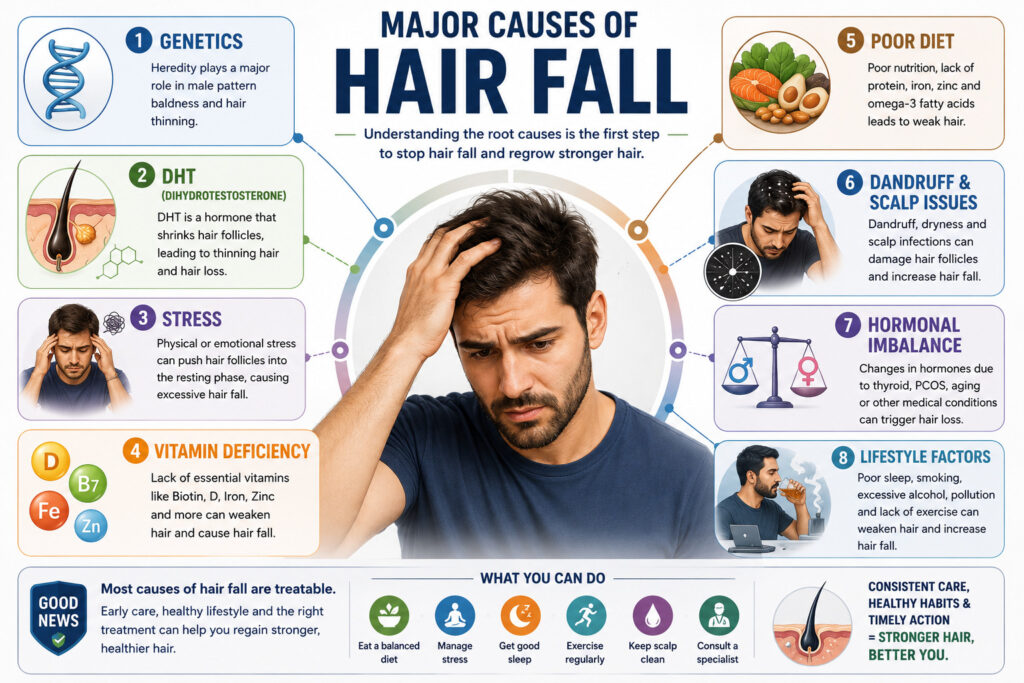
The causes of hair fall in men are rarely just one thing — genetics, hormones, nutrition, stress, scalp health, and lifestyle habits all play a role, often in combination. Identifying which factors are contributing in a particular case is important before starting any treatment.
Male Pattern Baldness (Genetic Hair Loss)
Male pattern baldness, medically known as androgenetic alopecia, is the single most common reason for hair loss in males. It usually begins with a receding hairline or thinning at the crown and progresses gradually over the years. It tends to run in families, meaning if your father or grandfather experienced significant hair loss, you may be more likely to as well.
DHT and Hormonal Hair Loss
DHT hair loss refers to the role of dihydrotestosterone, a hormone derivative that can shrink hair follicles over time in genetically susceptible men. This is closely tied to hormonal hair loss more broadly — imbalances in testosterone, thyroid hormones, or other endocrine factors can all influence how much hair a man retains as he ages.
Stress and Hair Fall
Stress and hair fall are closely linked. High levels of physical or emotional stress can push a large number of hair follicles into a resting phase prematurely, leading to noticeable shedding a few months after a stressful event — a condition often referred to as telogen effluvium. Work pressure, poor sleep, and emotional strain are common contributors seen in clinical practice.
Vitamin and Nutritional Deficiencies
Vitamin deficiency hair loss is another frequently seen cause, particularly deficiencies in iron, vitamin D, vitamin B12, zinc, and biotin. A diet lacking in protein and essential micronutrients can weaken the hair shaft and slow down regrowth.
Dandruff and Scalp Conditions
Dandruff and hair fall often go hand in hand. Persistent dandruff, fungal infections, or an oily, inflamed scalp can weaken hair roots and contribute to increased shedding if left unaddressed.
Other Contributing Factors
- Underlying medical conditions such as thyroid disorders or anaemia
- Certain medications
- Smoking and excessive alcohol consumption
- Harsh hair care practices, including frequent chemical treatments
- Sleep deprivation and irregular routines
Signs and Symptoms
The most common signs of hair fall in men include a receding hairline, thinning at the crown, widening of the parting, visible scalp through the hair, and an increase in hair strands on the pillow, comb, or in the shower drain.
Some symptoms to watch for:
- Noticeably more hair fall than usual over several weeks
- Gradual thinning rather than sudden bald patches (which may suggest a different condition)
- A receding hairline forming an “M” shape
- Thinner, finer hair texture than before
- Visible scalp, especially under bright light
It’s worth noting that sudden, patchy hair loss is different from the gradual thinning typically seen in male pattern baldness, and may need separate evaluation.
Why Hair Fall Happens at Different Ages
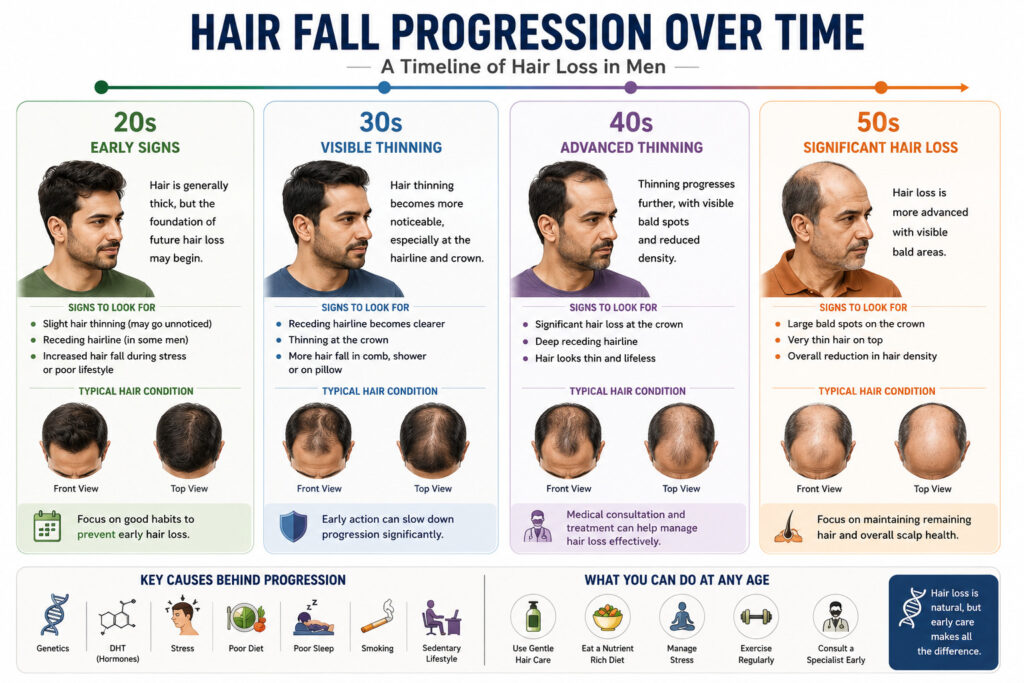
Hair fall in men can occur at any age, but the underlying reasons often differ — nutritional and stress-related causes are more common in younger men, while genetic and hormonal factors tend to dominate with increasing age.
Hair Fall in Men in Their 20s
Hair fall in men in their 20s is often linked to stress, poor diet, irregular sleep, and lifestyle habits such as smoking or excessive screen time. In some cases, early-onset male pattern baldness can also begin during this decade, particularly if there is a strong family history.
Hair Fall After 30
Hair fall after 30 frequently involves a mix of hormonal changes and the gradual progression of genetic hair loss. Work-related stress and lifestyle demands at this stage of life can also add to the problem.
Hair Fall in the 40s and Beyond
By the 40s and 50s, male pattern baldness tends to become more pronounced for those genetically predisposed. Additionally, age-related changes in scalp health, nutrient absorption, and overall metabolism can play a larger role.
Risk Factors
Certain factors increase the likelihood of experiencing hair fall in men, including family history, hormonal imbalances, chronic stress, poor nutrition, and underlying health conditions.
| Risk Factor | How It Contributes |
| Family history | Increases likelihood of male pattern baldness |
| Chronic stress | Disrupts the natural hair growth cycle |
| Poor diet | Leads to deficiencies affecting hair strength |
| Smoking | Reduces blood flow to hair follicles |
| Thyroid or hormonal disorders | Alters hair growth patterns |
| Harsh hair care habits | Weakens hair shaft and roots |
| Sleep deprivation | Affects hormone regulation and scalp health |
Can Hair Fall Be Prevented?
While genetic hair loss cannot always be completely prevented, many cases of hair fall in men — especially those linked to stress, diet, and scalp health — can be reduced with early attention and consistent care.
Prevention largely depends on identifying and managing the specific contributing factors early. This includes:
- Maintaining a nutrient-rich, balanced diet
- Managing stress through regular routines and relaxation practices
- Keeping the scalp clean and free from dandruff or infection
- Avoiding harsh chemical treatments and excessive heat styling
- Getting adequate, good-quality sleep
- Addressing underlying health conditions promptly
It’s important to understand that the cause of hair fall varies from person to person, and what works for one individual may not be appropriate for another. This is why a proper clinical evaluation is recommended before starting any treatment approach.
Ayurveda and Unani Perspective on Hair Fall
Ayurveda and Unani medicine approach hair fall by looking at the person as a whole rather than treating hair loss in isolation, focusing on internal balance, diet, and lifestyle alongside external scalp care.
The Ayurvedic View
In Ayurveda, hair health is closely connected to the concept of dosha balance — the three biological energies (Vata, Pitta, and Kapha) that are believed to govern bodily functions. An imbalance in these doshas, particularly aggravated Pitta, is traditionally associated with premature hair thinning and scalp sensitivity.
Two foundational concepts guide the Ayurvedic approach:
- Ahara (diet): Ayurveda places strong emphasis on nourishing foods that are believed to support hair strength from within, including foods rich in iron, protein, and healthy fats.
- Vihara (lifestyle): This includes daily routines, sleep patterns, stress management, and scalp care practices that Ayurveda considers essential for maintaining hair health over time.
The Unani Perspective
Unani medicine similarly takes a holistic, root-cause-based view of health, considering factors such as temperament (Mizaj), digestion, and overall bodily balance when assessing hair-related concerns. Rather than treating hair fall as an isolated cosmetic issue, the Unani approach looks at how internal systems and lifestyle factors together influence hair health.
A Shared Philosophy: Root-Cause and Holistic Care
Both these traditional systems of medicine share a common thread — the belief that lasting hair health is best supported by addressing underlying imbalances rather than only treating visible symptoms. This includes attention to:
- Diet and nutrition
- Stress management
- Sleep quality
- Scalp health and hygiene
- Preventive, individualised care rather than a one-size-fits-all solution
It’s worth being clear that these traditional approaches are complementary perspectives on wellness, and outcomes can vary depending on the underlying cause, the individual’s constitution, and how consistently lifestyle recommendations are followed. They work best when guided by a proper clinical evaluation rather than self-directed use.
Diet and Lifestyle Tips for Healthy Hair
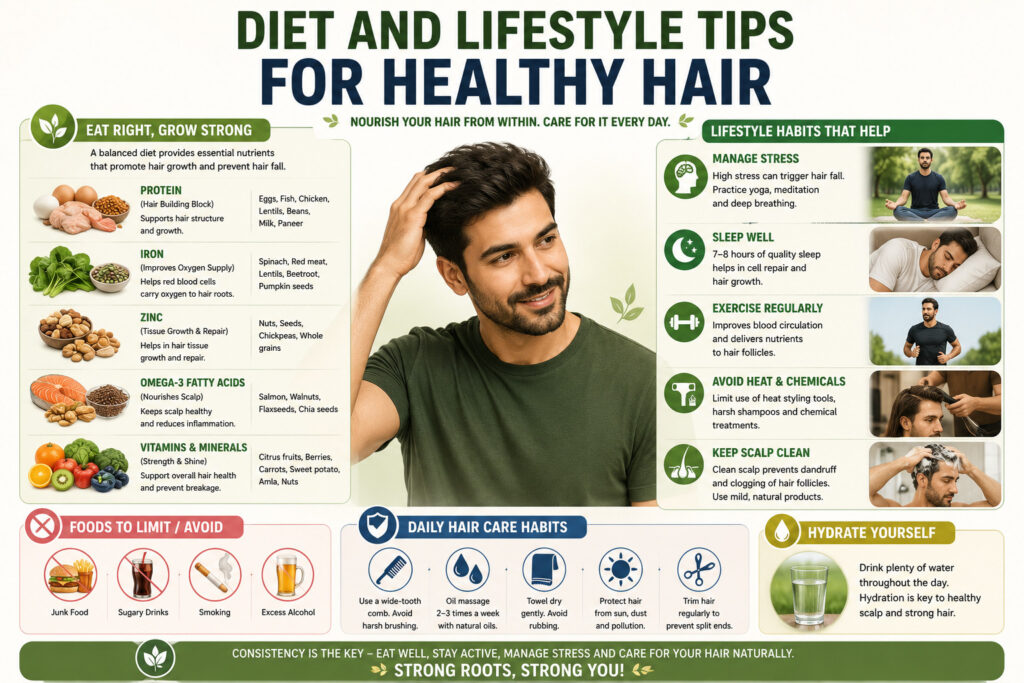
A healthy diet for hair growth and consistent lifestyle habits can meaningfully support hair strength, though they work best alongside a personalised treatment plan when hair fall is significant.
Foods That May Support Hair Health
- Protein-rich foods such as lentils, pulses, eggs, and dairy, since hair is largely made of protein
- Iron-rich foods like leafy greens, dates, and legumes to support healthy blood flow to the scalp
- Healthy fats from nuts, seeds, and seasonal fruits
- Vitamin-rich foods, particularly those providing vitamin D, B12, and zinc
- Adequate hydration throughout the day
Lifestyle Habits for a Healthy Hair Care Routine for Men
- Wash hair regularly to keep the scalp clean, without over-washing
- Use a mild, suitable shampoo and avoid excessive heat styling
- Massage the scalp gently to support circulation
- Avoid tying hair too tightly or using harsh chemical treatments frequently
- Maintain a consistent sleep schedule of 7–8 hours
- Practise stress-reducing habits such as light exercise, walking, or breathing exercises
- Avoid smoking and limit alcohol consumption
These natural remedies for hair fall and daily habits form a supportive foundation, but they are not a substitute for professional evaluation when hair fall is persistent or progressive.
When Should You Consult a Doctor?
You should consult a doctor if hair fall is sudden, patchy, rapidly progressing, accompanied by scalp itching or redness, or if it is affecting your confidence and daily life.
Specific situations that call for professional evaluation include:
- Sudden or patchy hair loss rather than gradual thinning
- Hair fall accompanied by scalp pain, redness, or flaking
- A family history of early balding combined with early symptoms
- Hair fall alongside other symptoms like fatigue, weight changes, or irregular periods (which may point to hormonal or thyroid issues)
- No improvement despite dietary and lifestyle changes
Since the reasons for hair fall in men vary so widely — from genetics to nutrition to stress to underlying medical conditions — self-diagnosis is often unreliable. A proper clinical evaluation helps identify the actual cause before deciding on any course of action.
How Mshaque Clinic Can Help
At Mshaque Clinic, hair fall in men is approached through careful, individualised assessment rather than a standard, one-size-fits-all protocol. Dr. M. S. Haque and Dr. A. Perwaiz evaluate each patient’s symptoms, medical history, diet, and lifestyle before recommending a personalised treatment plan based on Ayurveda and Unani principles.
This process typically involves understanding:
- The pattern and duration of hair fall
- Diet, sleep, and stress levels
- Any existing scalp conditions
- Broader health history that may be contributing to the problem
Because the underlying cause of hair fall differs from person to person, the doctors at Mshaque Clinic focus on identifying what is actually driving the hair fall in each individual case before suggesting any personalised treatment plan. The aim is always root-cause-based, holistic care — not a generic or one-size-fits-all fix — after a proper clinical evaluation.
Frequently Asked Questions
What causes hair fall in men? Hair fall in men can be caused by genetics (male pattern baldness), hormonal changes, chronic stress, nutritional deficiencies, scalp conditions like dandruff, and certain underlying health conditions. The exact cause often varies from person to person.
Can stress cause hair fall? Yes, stress and hair fall are closely connected. High stress levels can push hair follicles into a resting phase prematurely, leading to noticeable shedding, often a few months after a stressful period.
Can hair grow back after hair fall? In many cases, especially those linked to temporary causes like stress or nutritional gaps, hair can grow back once the underlying issue is addressed. For genetic hair loss, the response varies and depends on the underlying cause and how early it is addressed, following proper clinical evaluation.
Is male pattern baldness hereditary? Yes, male pattern baldness has a strong genetic component. A family history of hair loss, particularly on either side of the family, increases the likelihood of experiencing it.
Which vitamin deficiency causes hair fall? Deficiencies in iron, vitamin D, vitamin B12, zinc, and biotin are commonly associated with hair fall. A balanced, nutrient-rich diet can help support overall hair health.
Is dandruff responsible for hair fall? Persistent dandruff and scalp conditions can weaken hair roots and contribute to increased shedding if left untreated, though dandruff alone is usually not the sole cause of significant hair loss.
How much hair fall is normal? Losing around 50–100 hair strands a day is considered normal as part of the natural hair growth cycle. Fall beyond this range, especially if sudden or progressive, may need attention.
Can Ayurveda and Unani help manage hair fall? Ayurveda and Unani medicine take a holistic, root-cause-based approach that may help support hair health depending on the underlying cause, focusing on diet, lifestyle, and individualised care. Results vary by individual and are best assessed after a proper clinical evaluation.
When should I consult a doctor? You should consult a doctor if hair fall is sudden, patchy, rapidly worsening, or accompanied by scalp irritation, or if lifestyle changes haven’t helped after a reasonable period.
What lifestyle changes help reduce hair fall? A balanced diet, adequate sleep, stress management, gentle hair care practices, and avoiding smoking or excessive alcohol can all support healthier hair, though a personalised plan works best for persistent hair fall.
Conclusion
Hair fall in men is a common but often misunderstood concern, shaped by a mix of genetics, hormones, nutrition, stress, and lifestyle factors. While some degree of daily hair shedding is entirely normal, persistent or progressive hair fall in men deserves proper attention rather than guesswork. A holistic approach — one that looks at diet, lifestyle, and the individual’s overall health rather than just the scalp — can offer a meaningful way to understand and manage the problem.
Since the causes of hair fall in men vary so significantly from one individual to another, a proper clinical evaluation remains the most reliable starting point. At Mshaque Clinic, Dr. M. S. Haque and Dr. A. Perwaiz work with each patient individually, assessing their specific symptoms, history, and lifestyle before recommending a personalised treatment plan rooted in Ayurveda and Unani principles.