Skip to content


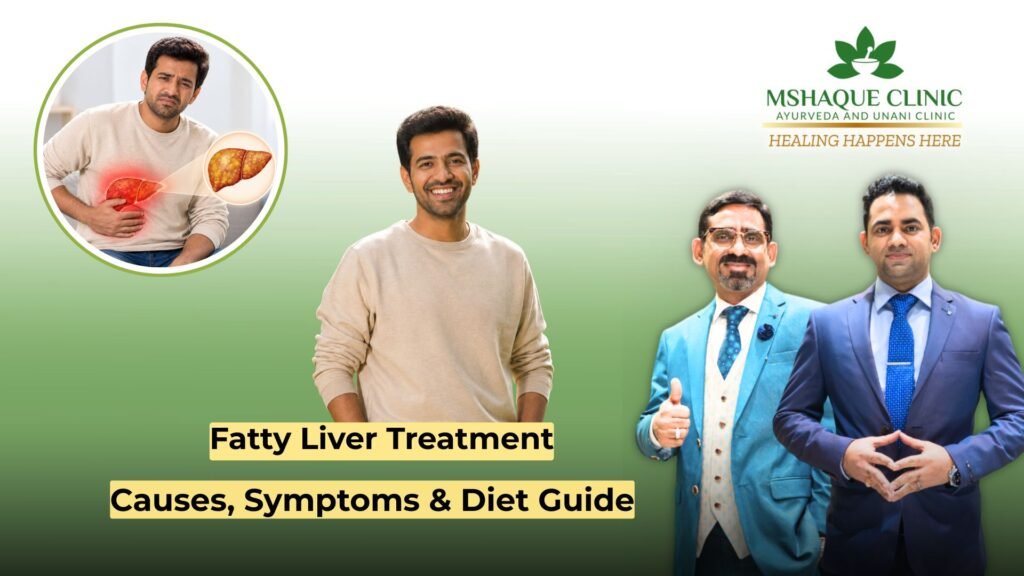
Fatty liver has become one of the most commonly discussed liver health concerns in India, Kolkata included. With changing dietary patterns and increasingly sedentary lifestyles, more people are discovering fat accumulation in the liver — often incidentally, during a routine ultrasound. Understanding fatty liver treatment starts with recognising that “fatty liver” isn’t a single condition with one cause; the right approach depends on what’s driving it in each case.
This article covers what fatty liver is, why it develops, what symptoms may or may not appear, and what management generally involves — along with when medical evaluation matters.
What Is Fatty Liver Disease?
Fatty liver refers to excess fat accumulation in liver cells, beyond what is typical for a healthy liver. A small amount of fat is normal; when it builds up significantly, liver function can be affected.
Fatty liver is caused by several factors, and why liver becomes fatty in one person can differ from another. Broadly, it falls into two categories: alcohol-related fatty liver and non-alcohol-related fatty liver. Medical terminology around these classifications continues to evolve as research develops.
What Causes Fatty Liver?
There’s no single explanation behind fatty liver causes and treatment — several factors can contribute:
- Metabolic health concerns, including blood sugar or lipid regulation issues
- Excess body weight in some individuals (though not all cases involve this)
- Insulin resistance
- Dietary patterns high in refined carbohydrates or added sugars
- Alcohol consumption, particularly regular or heavy intake
- Certain underlying health conditions or medications
Because causes vary so widely, proper medical evaluation is essential to identify what’s actually contributing in a specific case, rather than assuming a generic explanation.
What Are the Symptoms of Fatty Liver?
Many people with fatty liver have no noticeable symptoms, especially early on — which is why it’s often discovered through routine scans or blood tests.
When symptoms do occur, they may include:
- Mild fatigue or low energy
- Discomfort in the upper right abdomen
- Occasional nausea or reduced appetite
These symptoms are non-specific and can point to many other conditions, so their presence alone doesn’t confirm fatty liver disease. Medical assessment, including liver function tests and imaging, is needed for a clear picture.
What Is the Treatment for Fatty Liver?
There is no single, universal treatment. What is the treatment for fatty liver depends on the underlying cause, severity of liver involvement, associated metabolic health, and whether alcohol is a contributing factor.
Fatty liver disease treatment is typically shaped around:
- The specific cause identified through evaluation
- The extent of liver involvement seen on tests and imaging
- Whether metabolic conditions like blood sugar or cholesterol concerns coexist
- Any complications or other liver conditions present
Because approaches vary so much between individuals, healthcare providers generally build a management plan around each person’s overall health picture rather than a fixed formula.
How to Treat Fatty Liver: The Importance of Lifestyle Management
Lifestyle management is usually a central part of how to treat fatty liver, particularly for cases linked to metabolic or dietary factors. Fatty liver management commonly includes:
- Working toward balanced, sustainable nutrition rather than short-term restrictive diets
- Regular physical activity suited to individual fitness levels
- Gradual, clinically appropriate weight management where relevant
- Limiting or avoiding alcohol when medically advised
- Managing associated conditions such as blood sugar or lipid imbalances
These lifestyle changes for fatty liver disease are generally supportive measures that may help over time, not instant fixes. Consistency and medical guidance both matter here.
Fatty Liver Treatment Diet: What Should You Focus On?
There’s no single fatty liver treatment diet suited to everyone, since individual needs vary. General principles for healthy eating for fatty liver disease include:
- Balanced meals built around whole, minimally processed foods
- Fibre-rich foods — vegetables, fruits, legumes, whole grains
- Appropriate protein sources based on individual needs
- Reducing fried, highly processed foods and added sugar
- Mindful portion sizes where weight management is relevant
When people ask what is the best diet for fatty liver disease, the honest answer is that it should be personalised — ideally with input from a dietitian or treating doctor who understands the person’s medical history and lab results.
Alcoholic and Non-Alcoholic Fatty Liver: Why the Difference Matters
Distinguishing between alcohol-related and non-alcohol-related fatty liver shapes the overall management approach. Alcoholic fatty liver treatment typically centres on addressing alcohol intake alongside broader liver monitoring, and should always be guided by a healthcare provider rather than managed independently.
How to treat non alcoholic fatty liver usually focuses more on metabolic health, diet and physical activity, since alcohol isn’t the primary driver. Non alcoholic fatty liver disease treatment may also involve managing related conditions like insulin resistance. Identifying which category applies is a key early step in evaluation.
Can Fatty Liver Be Cured or Reversed?
Outcomes vary depending on the underlying cause, the stage at which fatty liver is identified, associated health conditions, and how consistently management is followed.
In some cases — particularly when identified early and contributing factors like diet, alcohol use or metabolic health are addressed — improvement in liver fat levels has been observed. In others, especially with additional complications or long-standing risk factors, management may focus more on preventing progression than achieving full reversal.
So, does fatty liver go away entirely? There’s no guaranteed answer that applies to everyone. Management depends on the underlying cause and individual health condition, and timely medical evaluation helps determine what outcomes are realistic for a specific person.
Fatty Liver Medicine and Medical Evaluation
There’s no single universal fatty liver medicine suitable for everyone, since treatment decisions depend on the underlying cause, associated conditions and overall health profile.
The best treatment for fatty liver, in most cases, isn’t one medicine but a combination of proper evaluation, monitoring and, where relevant, lifestyle adjustments guided by a qualified healthcare professional. Anyone already on prescribed fatty liver medication or related treatment should never stop or alter it without consulting their doctor first.
What Happens If Fatty Liver Is Left Unmanaged?
Not everyone with fatty liver experiences progression. However, left unmanaged over time — particularly alongside risk factors like poorly controlled blood sugar or ongoing alcohol use — some people may develop more serious liver problems.
Potential fatty liver complications include liver tissue inflammation and, in some cases, progressive scarring. Severe fatty liver cases generally need closer medical supervision, which is why early evaluation matters rather than waiting for symptoms to appear.
A Holistic and Individualised Approach at MSHAQUE Clinic

At MSHAQUE Clinic in Kolkata, the focus is on understanding individual health concerns and providing personalised guidance within an appropriate clinical framework. Dr. M.S. Haque and Dr. A. Perwaiz provide consultation that considers a person’s symptoms, lifestyle, dietary habits and overall health context when addressing fatty liver-related concerns, rather than applying a fixed protocol to every patient.
When Should You Seek Medical Advice?
Certain signs call for prompt evaluation rather than a wait-and-watch approach. Consult a healthcare professional if you experience:
- Persistent fatigue or digestive changes that don’t resolve
- Abnormal liver function test results
- Jaundice or other visibly concerning symptoms
- Severe or worsening upper right abdominal pain
- A known history of liver disease
- Concerns about alcohol consumption and liver health
Early evaluation generally allows for a clearer understanding of the cause and more timely management.
Frequently Asked Questions About Fatty Liver Treatment
1. What is the best treatment for fatty liver? There’s no single best treatment for everyone. It depends on the underlying cause, severity and individual health factors, best determined through proper medical evaluation rather than a fixed approach.
2. How to treat fatty liver naturally? Balanced nutrition, regular physical activity and limiting alcohol are commonly discussed supportive measures. These should complement, not replace, appropriate medical guidance, especially in more advanced cases.
3. Can fatty liver be cured? Outcomes vary by cause, stage and individual health. Some people see improvement with early, consistent management; others focus on preventing progression. There’s no guaranteed cure for every case.
4. What foods are good for fatty liver? A balanced diet with fibre-rich vegetables, fruits, whole grains and appropriate protein is generally supportive, while minimising processed foods and added sugar. Individual needs can vary.
5. What are the symptoms of fatty liver? Many people have no noticeable symptoms, particularly early on. When present, symptoms may include mild fatigue or abdominal discomfort, though these are non-specific and need medical evaluation to confirm.
6. Does fatty liver go away? In some cases, addressing the underlying cause — diet changes, weight management or reducing alcohol — has been linked to improvement. This isn’t guaranteed for everyone.
7. What is the difference between alcoholic and non-alcoholic fatty liver? Alcoholic fatty liver is linked to alcohol consumption; non-alcoholic fatty liver is generally tied to metabolic factors like insulin resistance or dietary patterns. Identifying which applies helps guide management.
Conclusion
Fatty liver is common but often misunderstood. Understanding the underlying cause, seeking appropriate medical evaluation, and following suitable lifestyle and clinical guidance are all important parts of managing it effectively. Because causes and presentations vary widely, there’s no one-size-fits-all answer — timely assessment remains the most reliable starting point.
If you’re in Kolkata and have concerns about fatty liver or liver health, consider reaching out to MSHAQUE Clinic for an appropriate consultation. Dr. M.S. Haque and Dr. A. Perwaiz can help guide you through a personalised evaluation based on your specific health context.