Skip to content
Living with piles can be uncomfortable, frustrating, and even embarrassing to talk about. Many people in Patna quietly suffer with pain, itching, or bleeding for months before seeking help. The good news is that Ayurveda offers a time-tested, holistic approach to managing this condition through personalized care, dietary correction, and lifestyle guidance.
At MSHaque Clinic, Dr. M.S. Haque and Dr. A. Perwaiz work closely with patients to understand the root cause of their discomfort and design a management plan suited to their individual constitution (prakriti). If you have been searching for a trusted piles doctor in Patna, this guide will help you understand piles from an Ayurvedic perspective and how proper care can support your recovery.
What Are Piles?
Piles, also known as hemorrhoids, are swollen and inflamed veins that develop in and around the rectum and anus. They can cause discomfort during bowel movements, itching, and in some cases, bleeding. While piles are common and often manageable, ignoring the early signs can allow the condition to progress and become more troublesome over time.
Types of Piles
Piles are generally classified into two main categories:
- Internal Piles – Develop inside the rectum and are usually painless in early stages but may cause bleeding.
- External Piles – Develop under the skin around the anus and can be more painful, especially if irritated or swollen.
Some individuals may also experience a combination of both, known as mixed piles.
Signs and Symptoms
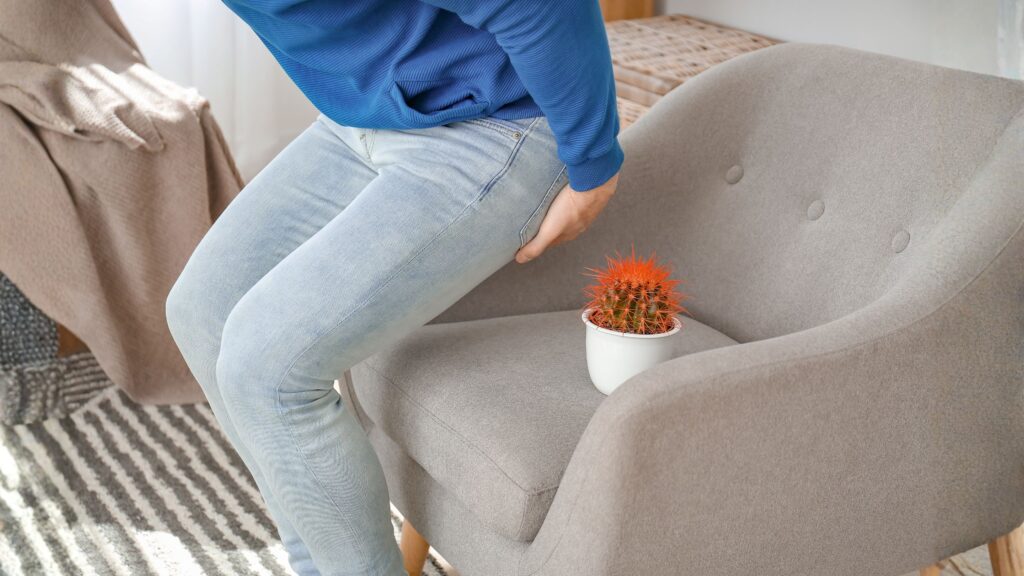
Common symptoms that indicate piles include:
- Bleeding during or after bowel movements
- Itching or irritation around the anal area
- A lump or swelling near the anus
- Pain or discomfort while sitting or passing stool
- A feeling of incomplete bowel evacuation
- Mucus discharge in some cases
If you notice any of these symptoms consistently, it is advisable to consult a piles specialist doctor in Patna rather than self-diagnosing.
Causes of Piles According to Ayurveda
In Ayurveda, piles (Arsha) are closely linked to an imbalance of the doshas, particularly Vata and Pitta, along with weakened Agni (digestive fire). Common contributing factors include:
- Chronic constipation and straining during bowel movements
- Irregular eating habits and poor digestion
- Excessive intake of spicy, oily, or processed foods
- A sedentary lifestyle with minimal physical activity
- Prolonged sitting, especially on hard surfaces
- Stress and irregular sleep patterns
Ayurveda views piles not just as a local problem but as a reflection of deeper digestive and metabolic imbalance, which is why treatment often focuses on correcting the root cause rather than just the symptoms.
Risk Factors
Certain factors can increase the likelihood of developing piles, including:
- Low fiber diet
- Inadequate water intake
- Obesity or excess body weight
- Pregnancy
- Family history of piles
- Jobs that involve long hours of sitting or standing
- Age-related weakening of rectal tissues
When Should You Consult a Piles Doctor in Patna?
Many people delay seeking help due to hesitation or embarrassment. However, early consultation with a piles doctor in Patna can make management much easier. You should consider seeking advice if you experience:
- Persistent bleeding during bowel movements
- Ongoing pain, swelling, or discomfort
- Symptoms that do not improve with basic dietary changes
- Recurrent episodes of irritation or lumps near the anus
Early evaluation allows for a more comprehensive and personalized approach to care.
How Ayurveda Approaches Piles Management
Ayurveda focuses on restoring balance to the body’s doshas while supporting healthy digestion and bowel function. Rather than addressing piles as an isolated issue, Ayurvedic management looks at the person as a whole, considering diet, daily routine, digestive strength, and overall lifestyle.
The goal is to reduce discomfort, support healing, and help patients adopt sustainable habits that promote long-term digestive wellness.
Ayurvedic Diagnosis
At MSHaque Clinic, the diagnostic process typically includes:
- A detailed discussion of symptoms and their duration
- Understanding the patient’s dietary and lifestyle habits
- Assessment of digestive strength (Agni)
- Identification of the dominant dosha imbalance
- Physical examination where appropriate
This thorough evaluation helps the doctors understand each patient’s unique condition before recommending a course of management.
Treatment Approach at MSHaque Clinic
Personalized Ayurvedic Consultation
Every patient receives an individualized consultation with Dr. M.S. Haque or Dr. A. Perwaiz, where their specific symptoms, dosha imbalance, and lifestyle factors are carefully reviewed before any recommendations are made.
Ayurvedic Medicines (Where Appropriate)
Based on the patient’s condition, appropriate classical Ayurvedic formulations may be suggested to support digestion, reduce inflammation, and ease discomfort. These are always prescribed after a proper assessment, tailored to the individual.
Diet Recommendations
Dietary correction plays a central role in Ayurvedic management of piles. Patients are guided on foods that support healthy digestion and bowel regularity.
Lifestyle Modifications
Simple but effective lifestyle changes, such as improved sitting posture, regular physical activity, and better sleep habits, are recommended to support recovery.
Preventive Care
Beyond immediate relief, the focus is also on preventing recurrence through sustained dietary and lifestyle discipline.
Follow-up and Patient Guidance
Regular follow-up consultations allow the doctors to monitor progress and adjust the management plan as needed, ensuring continuous, patient-centered care.
Foods to Eat
Ayurveda recommends including the following in your daily diet to support digestive health:
- Fiber-rich fruits like papaya, pears, and pomegranate
- Green leafy vegetables
- Whole grains such as oats and barley
- Buttermilk and easily digestible dairy
- Plenty of water throughout the day
- Soaked raisins and figs, which help with regular bowel movements
Foods to Avoid
To prevent aggravation of symptoms, it is best to limit or avoid:
- Spicy and deep-fried foods
- Excessive tea, coffee, and caffeinated beverages
- Red meat and heavy non-vegetarian meals
- Processed and packaged snacks
- Alcohol
- Refined and sugary foods
Benefits of Early Ayurvedic Care
Seeking timely Ayurvedic guidance for piles can offer several advantages:
- Better management of symptoms before they worsen
- A holistic approach that supports overall digestive health
- Reduced dependency on temporary symptom relief
- Guidance tailored to your body’s unique constitution
- Support in building sustainable dietary and lifestyle habits
Why Choose MSHaque Clinic in Patna
MSHaque Clinic has built a reputation among patients in Patna for its patient-centered and thoughtful approach to Ayurvedic care. Here is why patients trust the clinic for piles management:
- Experienced Ayurvedic Doctors – Dr. M.S. Haque and Dr. A. Perwaiz bring years of clinical experience in Ayurvedic gastrointestinal care.
- Personalized Treatment Plans – Every patient is evaluated individually rather than given a one-size-fits-all solution.
- Comprehensive Patient Evaluation – Consultations include a detailed review of symptoms, diet, and lifestyle.
- Holistic Treatment Philosophy – The focus is on long-term digestive wellness, not just temporary relief.
- Approachable and Respectful Care – Patients are treated with dignity, given the sensitive nature of the condition.
Meet Our Doctors
Dr. M.S. Haque
Dr. M.S. Haque is known among patients in Patna for his patient, detail-oriented approach to Ayurvedic consultations. He takes time to understand each patient’s history and lifestyle before recommending a management plan, ensuring that care is tailored rather than generic.
Dr. A. Perwaiz
Dr. A. Perwaiz brings a thoughtful, holistic perspective to piles management, focusing on both symptom relief and long-term digestive health. Patients appreciate the clear guidance and ongoing support provided throughout their treatment journey.
Tips to Prevent Piles
- Drink adequate water daily to support smooth digestion
- Include fiber-rich foods in every meal
- Avoid prolonged sitting; take short breaks to move around
- Do not strain during bowel movements
- Maintain a regular daily routine, including sleep timings
- Engage in light physical activity such as walking
- Avoid excessive spicy and oily food
Conclusion
Piles can be uncomfortable, but with the right Ayurvedic guidance, dietary correction, and lifestyle adjustments, most patients find meaningful relief and better digestive health over time. At MSHaque Clinic in Patna, Dr. M.S. Haque and Dr. A. Perwaiz focus on understanding each patient individually and offering a personalized, holistic path toward wellness.
If you have been experiencing symptoms of piles and are looking for compassionate, experienced Ayurvedic guidance, do not wait for the condition to progress further.
Book a consultation with Dr. M.S. Haque or Dr. A. Perwaiz at MSHaque Clinic, Patna, for a personalized Ayurvedic evaluation of your condition. Take the first step toward better digestive health with care that is tailored to you.
Frequently Asked Questions (FAQs)
Who is a good piles doctor in Patna?
MSHaque Clinic in Patna is home to experienced Ayurvedic doctors, Dr. M.S. Haque and Dr. A. Perwaiz, who focus on personalized evaluation and holistic management of piles.
Which doctor should I consult for piles?
For Ayurvedic management of piles, it is best to consult a qualified Ayurvedic physician experienced in digestive and rectal disorders, such as the doctors at MSHaque Clinic.
Can piles be managed with Ayurveda?
Yes, Ayurveda offers a holistic approach to managing piles through personalized consultation, appropriate herbal formulations, dietary changes, and lifestyle correction aimed at improving digestion and reducing discomfort.
What are the early symptoms of piles?
Early symptoms often include mild itching, occasional bleeding during bowel movements, and a feeling of fullness or discomfort around the anal area.
How does Ayurveda help in managing piles?
Ayurveda focuses on identifying the underlying dosha imbalance, particularly Vata and Pitta, and addresses it through personalized diet, lifestyle changes, and appropriate Ayurvedic care to support digestive health and reduce symptoms.
How long does Ayurvedic management usually take?
The duration varies from person to person, depending on the severity of symptoms, the patient’s constitution, and adherence to dietary and lifestyle recommendations. Your doctor can provide a more specific timeline after evaluation.
Can piles recur?
Piles can recur, especially if underlying causes like poor diet, constipation, or a sedentary lifestyle are not addressed. Ongoing preventive care and healthy habits can help reduce the chances of recurrence.
Which foods should be avoided during piles?
It is best to avoid spicy and fried foods, excessive caffeine, alcohol, red meat, and processed foods, as these can aggravate symptoms and slow recovery.