


If you’ve recently received a semen analysis report and saw the words “low sperm count”, it’s natural to feel worried. Many men immediately ask: Can I still become a father? Is low sperm count permanent? Can sperm count improve naturally?
The good news is this: a low sperm count does not always mean infertility, and in many cases, it may improve with the right evaluation, lifestyle changes, and timely treatment.
A semen analysis report can look confusing at first. It contains numbers, medical terms, and reference ranges that may not be easy to understand without guidance. That’s why it’s important not to panic after seeing a “low count” result. One report alone does not always tell the full story.
At MSHAQUE Clinic, Dr. A. Perwaiz and Dr. M. S. Haque often guide men who are confused or anxious after seeing abnormal semen analysis results. With a careful and personalized approach, many men are able to better understand their condition and take the right next steps for their fertility and overall reproductive health.
What Is a Semen Analysis Report?
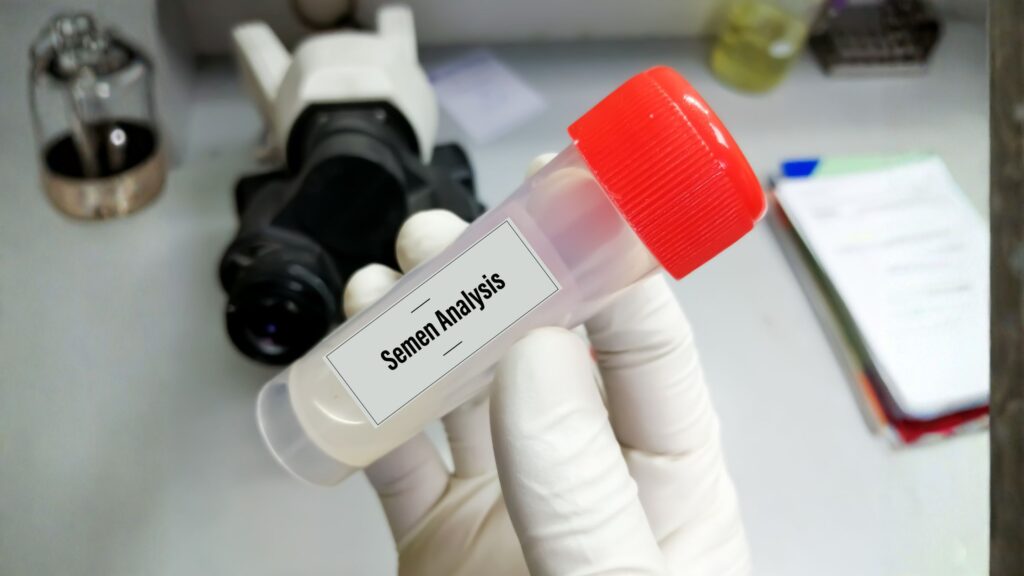
A semen analysis is a laboratory test that checks the health and quality of semen and sperm. It is commonly advised when:
- A couple is trying to conceive
- There is delayed pregnancy
- There are concerns about male fertility
- There is a history of low sexual health or reproductive issues
- A man wants to understand his sperm health
This test usually evaluates several important factors, including:
- Sperm count (how many sperm are present)
- Sperm motility (how well sperm move)
- Sperm morphology (the shape and structure of sperm)
- Semen volume (how much semen is produced)
- pH level
- Liquefaction time
- White blood cells or infection markers
When people focus only on the words “low count,” they often miss the fact that motility, morphology, and overall semen quality matter just as much.
What Does ‘Low Sperm Count’ Really Mean?
A low sperm count means there are fewer sperm in the semen than expected. In medical terms, this is often called oligospermia.
A healthy sperm count is usually judged by the number of sperm present per milliliter of semen. If the number is below the normal reference range, the report may mention low count.
However, this does not automatically mean zero chance of pregnancy.
Many men with low sperm count are still able to conceive naturally—especially if:
- Sperm motility is still fair
- Sperm shape is acceptable
- Sexual timing is good
- The female partner’s fertility is healthy
- The underlying cause is mild or temporary
This is why one abnormal report should never be interpreted without proper clinical context.
What Is a Healthy Sperm Count vs Low Count?
Many patients ask: “What is a healthy sperm count vs low count?”
In simple terms:
- Healthy sperm count means the sperm concentration is within the laboratory’s normal reference range
- Low sperm count means the number is below that range
- Very low sperm count means conception may become more difficult, but not always impossible
- Zero sperm count (azoospermia) means no sperm are seen in the sample, which requires further evaluation
It’s also important to remember:
- Normal count alone is not enough
- A man can have a normal count but poor motility
- A man can have a low count but still father a child
That’s why the full semen analysis report matters—not just one number.
What Is a Normal Semen Analysis Report?
A normal semen analysis report generally suggests that sperm production and semen quality are within expected laboratory ranges. But “normal” does not guarantee pregnancy, and “abnormal” does not guarantee infertility.
A complete report usually looks at:
1. Sperm Count
How many sperm are present in the sample.
2. Motility
How well the sperm are swimming. Sperm need good movement to reach and fertilize the egg.
3. Morphology
The shape of the sperm. Poor shape can affect fertility in some cases.
4. Semen Volume
Very low volume may reduce the total number of sperm delivered.
5. pH and Liquefaction
These can provide clues about gland function or possible infection.
6. Infection Indicators
Sometimes white blood cells or inflammatory signs may suggest infection, which can affect sperm quality.
So, if your report says “low count,” it’s important to ask:
- Is motility normal?
- Is morphology normal?
- Is semen volume low?
- Are there signs of infection?
- Was the sample collected properly?
Low Sperm Count Signs: Can You Feel It?
A very common question is: “What are the signs of low sperm count?”
The truth is: low sperm count often has no obvious symptoms.
Many men feel completely normal and only discover it during a fertility evaluation. However, some men may also notice related issues such as:
- Difficulty achieving pregnancy after regular unprotected intercourse
- Low sexual confidence due to fertility stress
- Reduced semen volume
- A history of varicocele (enlarged veins in the scrotum)
- Hormonal symptoms like reduced libido or fatigue
- Previous infection, surgery, or testicular injury
In most cases, you cannot diagnose low sperm count based on symptoms alone. A proper semen analysis is necessary.
Can You Still Get Pregnant with a Low Sperm Count?
This is one of the most important questions couples ask:
Yes, pregnancy is still possible with a low sperm count.
A low sperm count may reduce the chances of conception, but it does not always prevent pregnancy.
Whether pregnancy is possible depends on:
- How low the sperm count is
- Sperm motility
- Sperm morphology
- Frequency and timing of intercourse
- Female partner’s ovulation and fertility health
- Any infections or hormonal issues
- Lifestyle factors like smoking, obesity, stress, or heat exposure
Some couples conceive naturally despite a low count. Others may need treatment, lifestyle correction, or further fertility support.
This is why low sperm count should be seen as a warning sign—not a final verdict.
Can a Man Recover from Low Sperm Count?
Another very common search is: “Can a man recover from low sperm count?”
In many cases, yes—improvement is possible.
Sperm production is influenced by many factors, and some of them are reversible.
Recovery may be possible when low sperm count is linked to:
- Stress
- Poor sleep
- Smoking
- Alcohol or tobacco use
- Obesity
- Nutritional deficiency
- Heat exposure (tight underwear, laptop heat, hot baths)
- Infections
- Certain medications
- Hormonal imbalance
- Temporary illness or fever
Because sperm production takes time, improvement usually does not happen overnight. It often takes weeks to months for noticeable changes in a follow-up report.
At MSHAQUE Clinic, Dr. A. Perwaiz and Dr. M. S. Haque often emphasize that a personalized plan—including lifestyle correction, stress management, reproductive health evaluation, and holistic support—may help improve sperm health over time in suitable cases.
What Is the Fastest Way to Improve Low Sperm Count?
Many men search for the fastest way to cure low sperm count, but it’s important to be realistic.
There is no instant or guaranteed overnight cure.
However, the most effective approach is to identify the real cause and correct it early.
Steps that may help support sperm health:
- Stop smoking and tobacco use
- Limit or avoid alcohol
- Improve sleep quality
- Maintain a healthy body weight
- Reduce stress
- Avoid overheating the testicles
- Treat infections if present
- Review medications with a doctor
- Improve diet with fertility-supportive nutrition
- Follow a medically guided treatment plan
Avoid self-medication or random supplements from the internet. Not every “fertility booster” is safe or useful.
What If the Sperm Count Is Zero?
Some men ask: “My sperm count is zero—how can I increase it?”
A zero sperm count (azoospermia) needs proper medical evaluation. It may happen due to:
- Blockage in the reproductive tract
- Hormonal problems
- Testicular production issues
- Previous infections
- Genetic factors
- Prior surgeries
- Severe lifestyle or toxic exposure
This is not something to treat blindly with home remedies or over-the-counter products.
A repeat test, hormonal evaluation, clinical history, and specialist guidance are important before making assumptions.
Can Hernia Cause Low Sperm Count?
A related concern is: “Can hernia cause low sperm count?”
A simple hernia itself does not always directly cause low sperm count. However:
- Certain groin conditions
- Hernia-related discomfort
- Prior surgery in the groin region
- Scar tissue
- Complications affecting nearby structures
…may sometimes influence reproductive health in some men.
This is why your full medical history matters when interpreting a semen analysis report.
Tips for Getting Pregnant with Low Sperm Count
If you and your partner are trying to conceive, these practical steps may help:
- Track ovulation timing accurately
- Have intercourse during the fertile window
- Avoid smoking, tobacco, and excess alcohol
- Improve sleep and reduce stress
- Maintain a healthy diet and body weight
- Avoid unnecessary heat exposure
- Repeat semen analysis if advised
- Get both partners evaluated—not just the male partner
- Seek timely professional guidance if pregnancy is delayed
Fertility is a couple issue, not just a male or female issue.
Why You Should Not Panic After One Report
A semen analysis result can change based on:
- Illness or fever in recent weeks
- Stress
- Sleep deprivation
- Improper sample collection
- Long or short abstinence period
- Lab variations
- Temporary hormonal fluctuations
That’s why doctors often advise a repeat semen analysis before reaching a final conclusion.
One report may show low count. Another may show improvement.
When Should You See a Doctor?
You should seek professional help if:
- You’ve been trying to conceive for months without success
- Your semen report shows low count, poor motility, or abnormal morphology
- You have a history of infection, surgery, or injury
- You have erectile issues or ejaculation problems
- You are worried after seeing “zero sperm count”
- You want a proper fertility roadmap instead of guessing
At MSHAQUE Clinic, Dr. A. Perwaiz and Dr. M. S. Haque help patients understand their reports clearly and guide them with a structured, personalized approach focused on male fertility, reproductive confidence, and overall sexual wellness.

FAQs: Understanding Low Sperm Count in a Semen Analysis Report
1. What is a healthy sperm count vs low count?
A healthy sperm count is within the lab’s normal reference range, while low count means the number is below that range. However, fertility depends on count, motility, morphology, and overall reproductive health.
2. Can you still get pregnant with a low sperm count?
Yes, pregnancy is still possible with a low sperm count. Many couples conceive naturally, depending on sperm quality, timing, and both partners’ fertility health.
3. Can a man recover from low sperm count?
In many cases, yes. Low sperm count may improve with lifestyle changes, treatment of underlying causes, and proper medical guidance.
4. What is the fastest way to improve low sperm count?
There is no instant cure. The best approach is to identify the cause, stop smoking/tobacco, improve sleep, reduce stress, maintain a healthy weight, and follow a doctor-guided plan.
5. What if my sperm count is zero?
A zero sperm count requires proper medical evaluation. It may be due to blockage, hormonal issues, or sperm production problems. Do not self-medicate.
6. What are the signs of low sperm count?
Low sperm count often has no obvious symptoms. Many men only discover it during fertility testing.
7. Can hernia cause low sperm count?
A hernia itself may not always directly cause low sperm count, but related conditions, surgeries, or complications may sometimes affect fertility.
Final Takeaway
Seeing “low count” on a semen analysis report can feel stressful—but it should not lead to panic. A low sperm count does not always mean infertility, and in many cases, improvement may be possible with the right guidance.
The key is to understand the full report, not just one number.
If you are confused by your semen analysis, delayed pregnancy, or concerns about male fertility, timely evaluation matters. At MSHAQUE Clinic, Dr. A. Perwaiz and Dr. M. S. Haque focus on helping men understand their reproductive health clearly and take practical next steps with confidence.
