



Whether it shows up as stiff fingers when you wake up, a knee that complains on the stairs, or a shoulder that aches when you reach for a shelf, joint pain can quietly change how you move through the day. Many people ask what causes joint pain, and the honest answer is that there is no single reason.
In short, joint pain can result from overuse, injury, age-related wear, arthritis, infections, inflammatory or autoimmune conditions, and sometimes nutritional or metabolic problems. Which one applies depends on the joint involved, how long the pain has lasted, and what other symptoms come with it.
What Causes Joint Pain?
Joint pain is a symptom, not a diagnosis. The most common possibilities include:
- Osteoarthritis and age-related changes: Gradual wear of the cartilage that cushions a joint, often affecting the knees, hips, hands and spine.
- Rheumatoid arthritis and other inflammatory or autoimmune conditions: The body’s immune system mistakenly targets joint tissue, often causing swelling and prolonged morning stiffness.
- Muscle strain, overuse and repetitive movements: Common after sports, heavy household work or long hours of the same task.
- Tendon or ligament problems: Injury or irritation of the tissues that stabilise and move a joint.
- Gout and other crystal-related conditions: Crystals deposit in a joint and can cause sudden, intense pain and swelling.
- Infections: Some viral infections cause temporary joint pain, while a bacterial joint infection is a medical emergency.
- Bursitis and tendonitis: Inflammation of the small fluid-filled sacs or tendons around a joint.
- Metabolic or nutritional problems: In some people, deficiencies or conditions such as thyroid disorders may contribute.
These conditions do not all feel the same, and pain alone cannot tell you which one you have. A proper assessment, which may include examination and sometimes blood tests or imaging, is what separates one cause from another.
What Causes Joint Pain All Over the Body?
Pain in several joints at once usually points in a different direction from pain in a single joint. Possible explanations include:
- Viral illnesses: Some infections cause aching joints and muscles along with fever and tiredness, which often settle as the illness passes.
- Inflammatory or autoimmune conditions: Rheumatoid arthritis and related conditions can affect multiple joints, often on both sides of the body.
- Fibromyalgia: This causes widespread pain and tenderness, but it is not the same as inflammation inside the joints.
- Overexertion and poor recovery: A sudden burst of unaccustomed activity can leave many joints and muscles sore.
- Nutritional deficiencies or other medical conditions: Only a clinical assessment can confirm these.
Details help doctors narrow things down. Fatigue, fever, visible swelling, muscle aches, a rash, or stiffness lasting more than an hour in the morning are all worth mentioning. No single cause explains every case of widespread joint pain, which is why guessing is rarely helpful.
What Causes Knee Joint Pain?
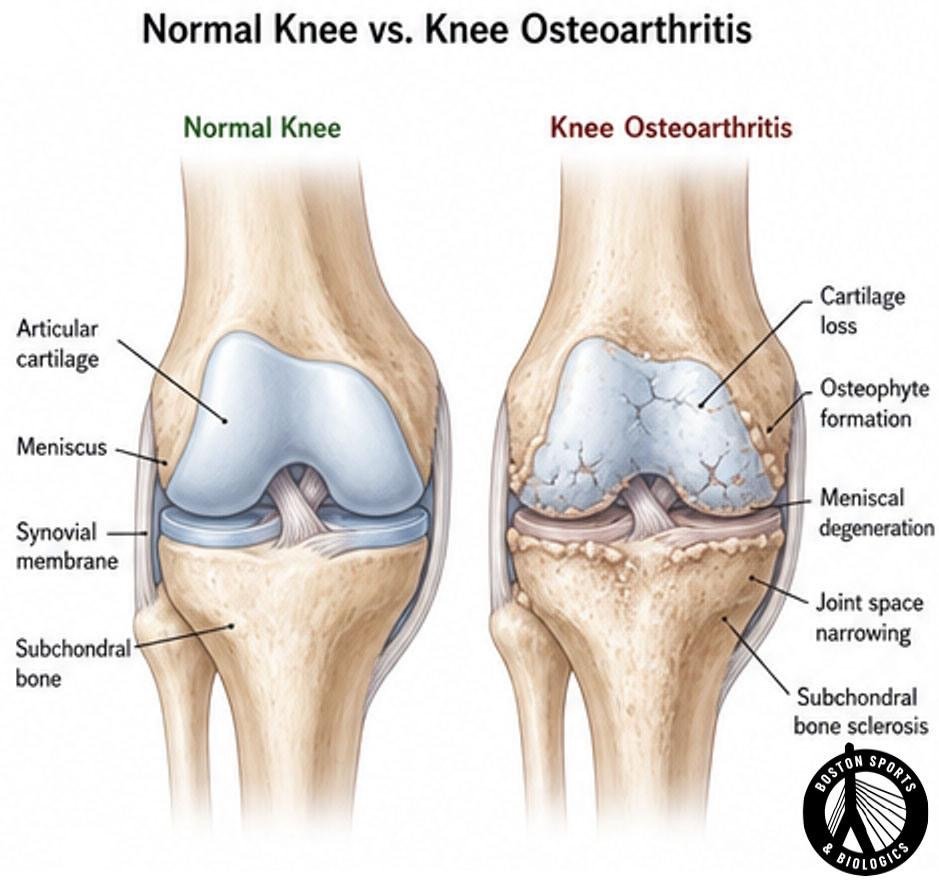
The knee carries your body weight with every step, so it is one of the most commonly affected joints. Frequent causes include osteoarthritis, sports injuries, ligament or meniscus damage, overuse, tendon problems and bursitis.
Pain while climbing stairs, squatting, walking or standing up from a chair can arise from several of these. The pattern is a useful clue for your doctor, but it is not enough to diagnose a specific condition on its own.
A knee that becomes hot and swollen, especially with fever or severe pain, needs urgent medical assessment, as this can signal infection or another serious problem.
What Causes Shoulder Joint Pain?

Shoulder pain often comes from the rotator cuff (the group of tendons that stabilise the joint), tendon irritation, bursitis, frozen shoulder, osteoarthritis or injury. Sometimes pain felt in the shoulder is actually referred from the neck or another area.
It tends to be most noticeable when lifting the arm, reaching overhead, or lying on the affected side at night.
Sudden shoulder pain together with chest discomfort, breathlessness, sweating or a feeling of faintness may indicate a heart-related emergency. Seek immediate medical help rather than waiting to see if it passes.
What Causes Finger, Thumb, Hip and Elbow Joint Pain?
Finger and thumb joint pain: Osteoarthritis, rheumatoid arthritis, repetitive use and tendon problems are common reasons, and many people notice stiffness in the morning. Persistent swelling or stiffness that lasts a long time after waking deserves medical evaluation.
Hip joint pain: Osteoarthritis, muscle or tendon problems, bursitis and injuries can all be responsible. Not every pain felt near the hip begins inside the hip joint, as the lower back and surrounding muscles can refer pain to the area.
Elbow joint pain: Repetitive strain is the usual story, including tennis elbow and golfer’s elbow, along with bursitis and injury.
Sacroiliac joint pain: Pain deep in the lower back or buttock can arise from several musculoskeletal or inflammatory causes, and needs assessment based on symptoms and medical history.
Can Vitamin Deficiency Cause Joint Pain?
It can contribute in some cases, but it is not the most common explanation. Vitamin D deficiency, for example, may be linked with bone pain and muscle weakness, and other nutritional deficiencies may add to certain musculoskeletal symptoms depending on the individual.
Joint pain on its own does not prove that you are deficient. Blood tests guided by a qualified healthcare professional are a better starting point than buying supplements on a hunch, and no single vitamin or mineral relieves every kind of joint pain.
When Should You Worry About Joint Pain?
Seek prompt medical assessment if you notice:
- Sudden, severe pain in a joint
- A hot, red or markedly swollen joint, especially with fever
- Inability to bear weight or move the joint after an injury
- Joint pain following a serious fall or accident
- Pain that is persistent or steadily worsening
- Joint pain with unexplained fever, rash, marked fatigue or other body-wide symptoms
A suspected joint infection requires urgent evaluation. Please do not treat emergency symptoms at home or delay care while trying traditional remedies.
How Can Ayurveda Help Support Joint Health?
Ayurveda is a traditional health system that has long looked at joint discomfort in relation to movement, daily routine, diet, activity levels and an individual’s constitution. These ideas can offer a traditional framework for discussing how someone lives and what may be aggravating their symptoms. They are not a substitute for a biomedical diagnosis.
After an individual assessment, supportive approaches may include:
- Gentle, appropriate physical activity and mobility exercises
- Maintaining a healthy body weight to reduce unnecessary stress on weight-bearing joints
- Consistent sleep and recovery routines
- A balanced, nutritious diet
- Individualised advice from a qualified healthcare practitioner
- Traditional Ayurvedic medicines or therapies, only when appropriate after professional assessment
The right choice depends on the underlying cause, age, medical history, current medicines and how severe the symptoms are. Ayurveda should not be seen as a cure for arthritis or a way to rebuild damaged cartilage, and it does not replace necessary medical treatment.
One more caution: some herbal products can interact with prescription medicines or carry their own safety risks. Always tell every doctor you consult about all supplements and traditional remedies you take.
Lifestyle Habits That May Support Healthy Joints
Small, steady habits tend to matter more than dramatic fixes:
- Stay physically active within your comfort level
- Avoid sudden jumps in strenuous activity
- Use good posture and movement techniques
- Take breaks from repetitive tasks
- Eat a balanced diet with enough protein and essential nutrients
- Keep a regular sleep routine
- Seek advice if symptoms persist or interfere with daily life
These habits may support general joint health, but they do not replace treatment for the underlying cause.
Consult MSHAQUE Clinic for Individualised Guidance
If joint pain keeps returning or is not settling, understanding the cause is the most useful first step. MSHAQUE Clinic is an Ayurveda and Unani clinic where Dr. M.S. Haque and Dr. A. Perwaiz are associated with patient consultations. People can discuss their concerns and explore suitable care options based on their individual needs.
Ayurveda- and Unani-based guidance, where suitable, is best considered alongside necessary medical evaluation and evidence-based treatment, not in place of them.
If you have persistent or recurring joint pain, you can visit the official website to enquire about a consultation.
Frequently Asked Questions
What is the most common cause of joint pain? Osteoarthritis, the gradual wearing of joint cartilage, is among the most common causes, particularly in adults over 40. Injuries, overuse and inflammatory conditions such as rheumatoid arthritis are also frequent. The cause varies by joint and age, so persistent pain is worth having assessed.
What causes sudden joint pain? Sudden joint pain can follow an injury or overuse, or arise from gout, a viral illness, or an infection. A hot, red, swollen joint with fever, or sudden severe pain, needs urgent medical attention rather than home treatment.
What causes joint pain and swelling? Swelling suggests inflammation or fluid in the joint. Possible causes include injury, osteoarthritis flares, rheumatoid arthritis, gout and infection. Because these need different treatment, persistent or marked swelling should be evaluated by a doctor.
What causes joint pain in young adults? In younger people, common causes include sports injuries, overuse, viral infections and inflammatory or autoimmune conditions. Poor posture or sudden increases in activity can also contribute. Persistent pain, swelling or morning stiffness deserves medical assessment.
What diseases cause joint pain and fatigue? Rheumatoid arthritis, other autoimmune conditions, some viral infections and fibromyalgia can cause joint or body pain along with tiredness. Thyroid problems and nutritional deficiencies may also play a role. Testing is needed to tell them apart.
What medicines cause joint pain? Some medicines can cause joint or muscle aches as a side effect. Never stop a prescribed medicine on your own. If you suspect a link, speak to the doctor who prescribed it.
Can Ayurveda help with joint pain? Ayurveda may offer individualised lifestyle, dietary and traditional care guidance for joint discomfort after professional assessment. It does not cure arthritis or replace necessary medical care, and herbal products can interact with other medicines, so disclose everything you take.