Skip to content
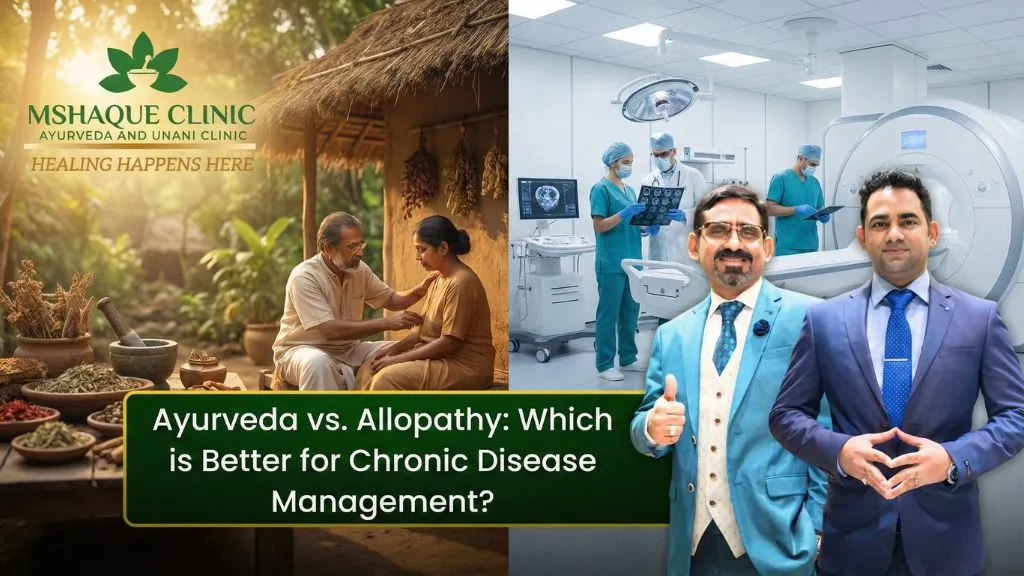
Healthcare today spans a wide spectrum of approaches, each with its own philosophy, strengths, and limitations. Among these, Ayurveda and Allopathy stand out as two prominent systems that millions of people rely on for managing long-term health. But when it comes to chronic disease management, which one truly stands out? Let’s explore the key differences, benefits, and practical considerations behind each approach.
Understanding Allopathy & Ayurveda
Allopathy, commonly referred to as modern or Western medicine, has its roots in scientific research, clinical trials, and standardized treatments. It focuses on diagnosing diseases using advanced tools and then employing interventions such as prescriptions, surgeries, or therapies to treat or manage the condition.
Ayurveda, on the other hand, is an ancient Indian medical system that approaches holistic healing. It aims to balance the mind, body, and spirit by understanding the individual constitution (doshas such as Vata, Pitta, and Kapha), lifestyle, and environment. Ayurvedic treatment often includes herbal medicines, dietary changes, detoxification procedures, and lifestyle adjustments. For chronic conditions like diabetes, arthritis, and digestive disorders, an Ayurvedic approach focuses on balancing internal energies and strengthening overall health. The main objective of the Ayurvedic treatments is sustainable improvement instead of temporary relief.
Strengths of Allopathic Treatments
Allopathic treatment plays an indispensable role in healthcare, particularly in acute and emergencies. It helps in:
- Rapid Symptom Control: In allopathic treatment, prescription drugs, painkillers, or insulin can quickly bring conditions like severe pain and high blood sugar under control.
- Advanced Diagnostics: Tech-driven tools (like MRI, CT scans, blood panels) allow precise detection of disease progression
- Life-saving Interventions: Surgeries, emergency care, and advanced treatments (e.g., for heart attack or organ failure) can be life-saving and are areas where modern medicine excels.
Yet, long-term use of medications can sometimes lead to side effects, dependency, or additional health concerns, which are especially relevant in chronic disease scenarios.
Strengths of Ayurvedic Treatments
Ayurveda’s greatest benefits in chronic disease management stem from its holistic nature. Millions of people trust Ayurvedic treatments due to the following reasons.
- Root-cause Focus: Unlike temporary relief, Ayurvedic treatment in Kolkata focuses on root-cause elimination.”
- Customized Care: Ayurvedic treatments are tailored to a person’s unique constitution, lifestyle, and environment.
- Minimal Side Effects: Natural herbs and lifestyle practices typically produce fewer adverse reactions compared with synthetic drugs, when guided by a qualified practitioner.
- Emphasis on Prevention: Lifestyle and diet guidance are often integral to Ayurveda, which helps prevent disease progression and recurrence.
However, Ayurvedic treatments usually take longer to show results than conventional drug therapies. Hence, it needs an active participation from the patient in terms of diet, routine, and lifestyle changes.
Integrated Approach: The Best of Both Worlds
Instead of seeing Ayurveda and Allopathy as rivals, many health experts advocate an integrated model where each system complements the other. For chronic disease management:
- Use Allopathy for diagnostic precision, emergency interventions, and immediate stabilization of severe symptoms.
- Use Ayurveda for long-term balance, lifestyle restructuring, and root-cause healing.
This blended approach ensures that patients benefit from the scientific rigour of modern medicine while also embracing the holistic healing power of traditional practices.
The Closing Thoughts
When it comes to managing chronic diseases, there is no one-size-fits-all solution. Allopathy offers fast, evidence-based relief and precise diagnostics, while Ayurveda focuses on long-term balance, root-cause healing, and sustainable lifestyle changes. The most effective outcomes often come from choosing the right approach or a thoughtful combination based on individual health needs and goals. If you’re seeking personalized guidance to manage chronic conditions safely and effectively, Mshaque Clinic is here to help. Our expert-led, patient-centric care blends medical insight with holistic healing strategies to support long-term health. Book your consultation with Mshaque Clinic today and take the first step toward healthier living.